
In a culture that celebrates doing more, pushing harder, and never slowing down, rest can feel counterintuitive, even uncomfortable. But the truth is simpler, and far more empowering:
Rest isn’t a break from progress, it’s how progress happens.
Learning when and how to rest is a skill: one that makes you stronger, more resilient, and more sustainable over time.
Rest Is Part of Training
When you move your body, whether through strength training, cardio, classes, or something else, you’re creating stress on your muscles, joints, and nervous system. That stress is necessary– it’s what signals your body to adapt.
But that adaptation doesn’t just happen during the workout, it happens during recovery. Without adequate rest:
- Muscles don’t rebuild
- Energy stays depleted
- Motivation fades
- Soreness lingers
- Burnout becomes more likely
Rest allows your body to repair, replenish, and return stronger. AKA: Skipping rest + recovery it doesn’t speed up results — it delays them.
Recovery Is an Active Practice
Rest isn’t the absence of effort. It’s a different kind of effort, one that requires intention and self-awareness. Recovery can look like:
- Gentle movement or stretching
- Breathwork or mobility work
- Hydration and nourishing food
- Quality sleep
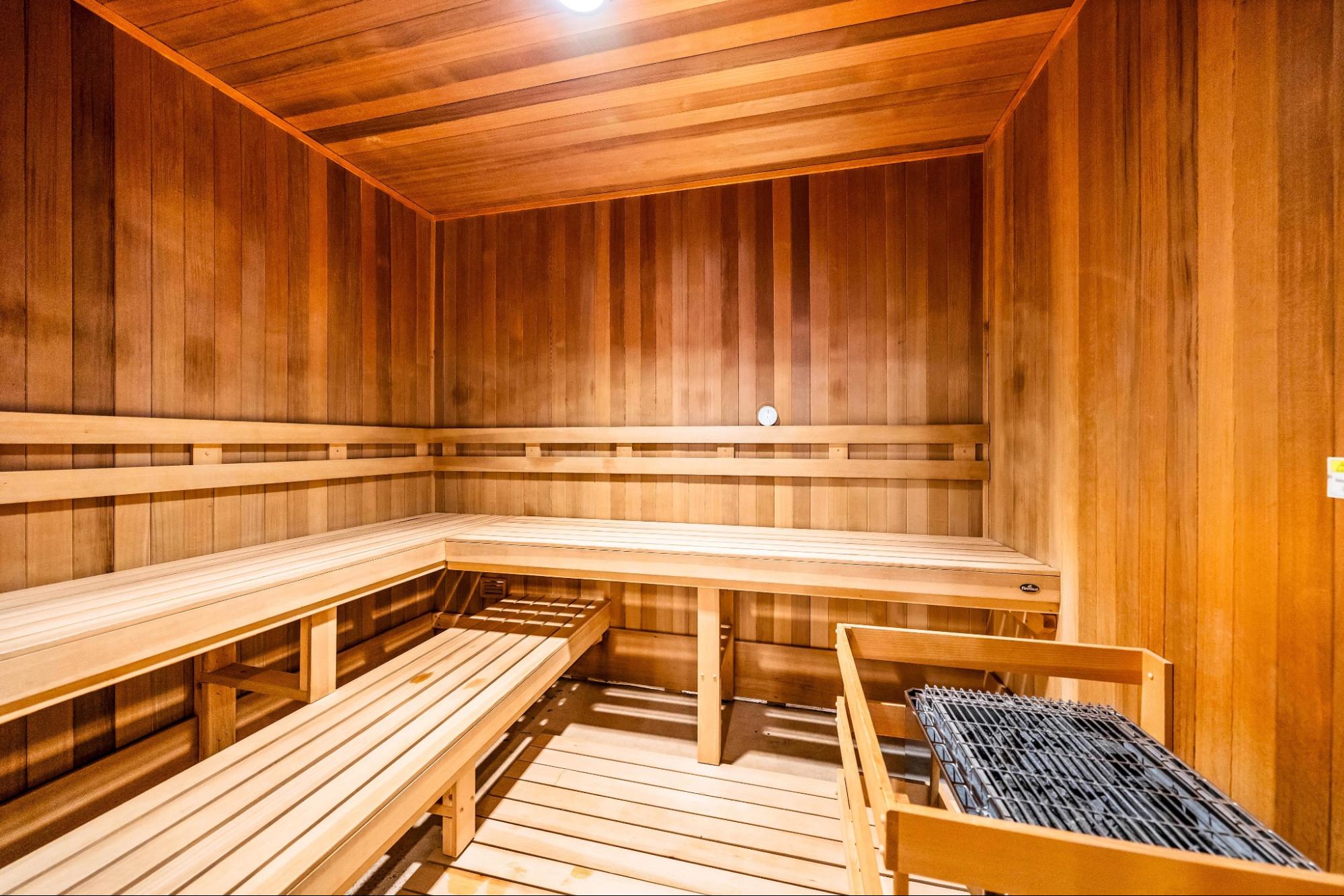
- Time in a calm, restorative space
These actions support your nervous system, reduce inflammation, and help your body feel ready to move again.
How Do I Know When to Take Rest Days?
Your body may be asking for recovery if you notice:
- Persistent soreness that doesn’t improve
- Low energy or heavy fatigue
- Trouble sleeping
- Irritability or lack of motivation
- Workouts that feel harder than usual
The best results come when you listen to your body and allow recovery time.
Letting Go of the “All-or-Nothing” Mindset
One of the biggest barriers to rest is perfectionism. The idea that consistency means never missing a workout, never slowing down, never adjusting.
But sustainable habits must be adaptable and work with your lifestyle. When you reframe rest as a strategic choice rather than a setback, it becomes easier to honor what your body needs without guilt.
Recovery Supports Joy
Movement is meant to feel supportive, not punishing. When recovery is built into your routine, workouts feel more enjoyable, your body feels more capable, and motivation comes more easily and holistically.
Rest allows you to:
- Enjoy movement again
- Feel present in your body
- Maintain consistency without burnout
- Build a relationship with exercise that lasts
Rest is how you keep showing up. At City Fitness, we believe fitness should support your whole life — not compete with it. Learning how to recover is a skill, and it’s an essential part of becoming stronger.
Ready to practice?
→ Try a Revive recovery session
→ Take a moment to schedule your next rest day intentionally