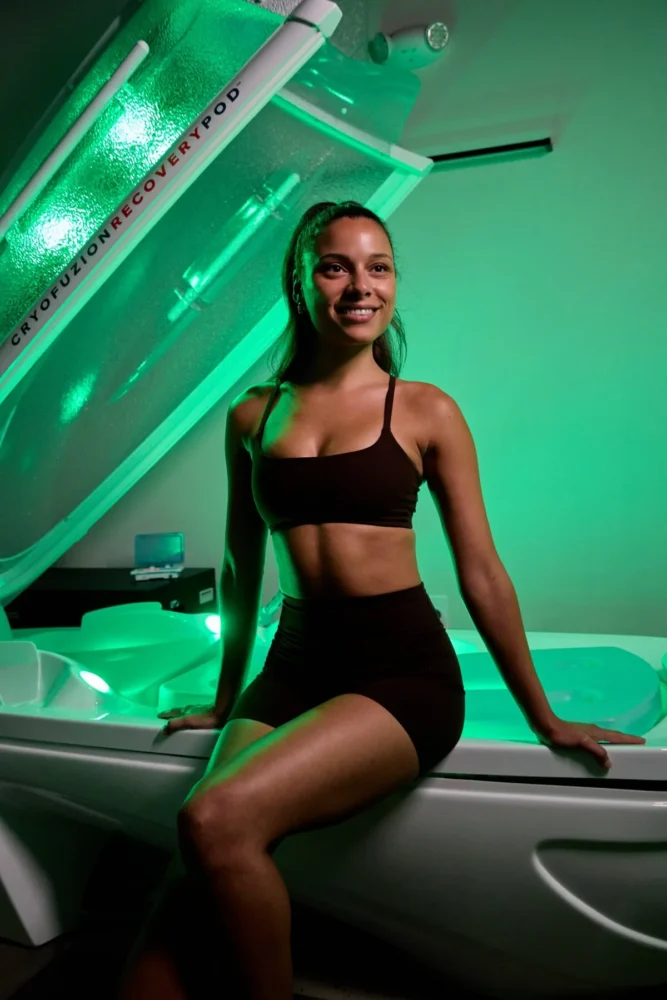
A CryoFuzion Recovery Pod combines several recovery modes in one unit: contrast therapy, steam hydration, and full-spectrum red light, so you can target a specific goal in a single session. Depending on the program you choose, it can help ease muscle soreness, support circulation, or aid recovery after training. It pairs the circulatory effect of alternating warm and cool exposure with the cellular repair benefits of red and near-infrared light. At City Fitness Revive, members choose the program that matches the day’s need: recovery, circulation, or relaxation.
What a recovery pod is
A recovery pod is a single enclosed unit that delivers several recovery modalities in one session, rather than sending you to three different rooms. You sit or recline, choose a program, and the pod runs the sequence.
The CryoFuzion Pod combines contrast therapy, steam hydration, and full-spectrum red and near-infrared light. One pod, 20 minutes.
Contrast therapy benefits, and how it works
Contrast therapy alternates warm and cool exposure in a repeating cycle, and the effect is vascular: warmth dilates blood vessels, cool constricts them, and cycling between the two creates a pumping effect that moves blood and fluid through the tissue. Think of it as better circulation on an interval.
Choosing a program
Muscle soreness and recovery. Your default after hard training. Contrast cycling and the red light together.
Circulation and energy. Shorter, lighter, and better suited to a morning or a rest day than to a post-session wind-down.
Relaxation. Warm-weighted, lower contrast. Use it when the goal is a nervous system reset rather than a specific muscular complaint.
How it compares to a dedicated cryotherapy chamber
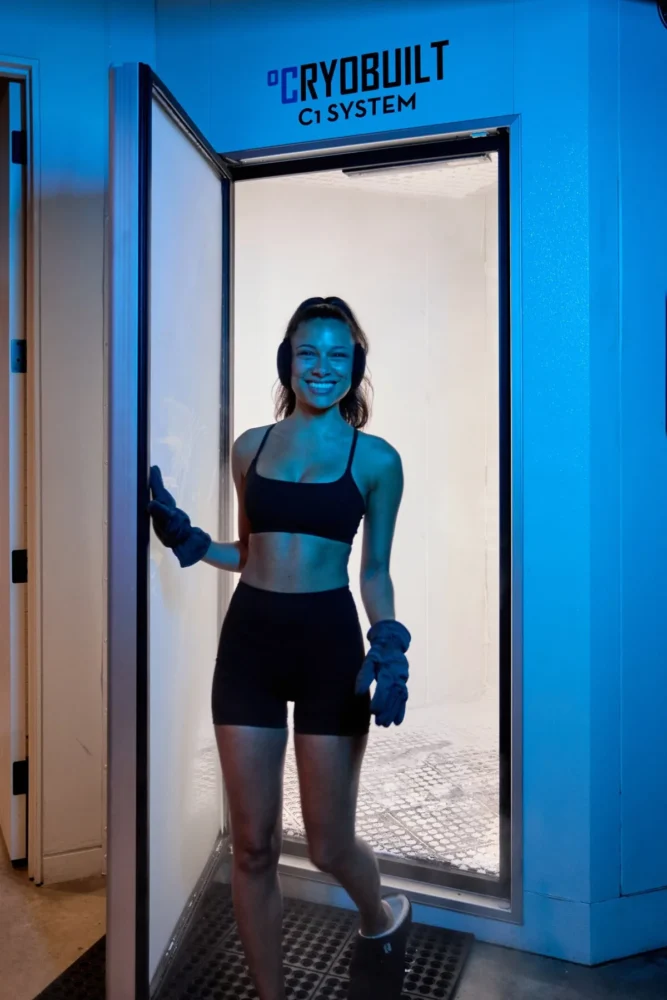
A whole-body cryotherapy chamber does one thing at one intensity: brief, extreme, whole-body cold. The pod runs longer, at a gentler intensity, and covers several modalities in the same sitting.
If you want the sharp, systemic cold response, use the chamber. If you want a comfortable 20 minutes that covers circulation and tissue repair together, use the pod.
Fitting it into a week
Two to three sessions a week is a reasonable rhythm for most members. It layers well with everything else at City Fitness Revive, though be mindful of swapping between extreme heat and cold too quickly.
Who should be cautious
Talk to your doctor first if you are pregnant, have cardiovascular disease or unstable blood pressure, or have a condition affecting your ability to sense temperature, such as peripheral neuropathy. Check with a clinician if you take a photosensitizing medication too. Skip the session if you are ill, dehydrated, or have broken or irritated skin.
FAQ
What does a CryoFuzion pod do?
It combines contrast therapy, steam hydration, and full-spectrum red light in one unit, with selectable programs for recovery, circulation, or relaxation.
What is contrast therapy good for?
Circulation and recovery. Alternating warm and cool exposure creates a pumping effect that moves blood and fluid through tissue.
How is a CryoFuzion pod different from cryotherapy?
A cryotherapy chamber delivers brief, extreme whole-body cold and nothing else. The pod is milder, longer, and combines several modalities in one session.
How often should you use a recovery pod?
Two to three times a week suits most people.
Does the red light in a recovery pod work?
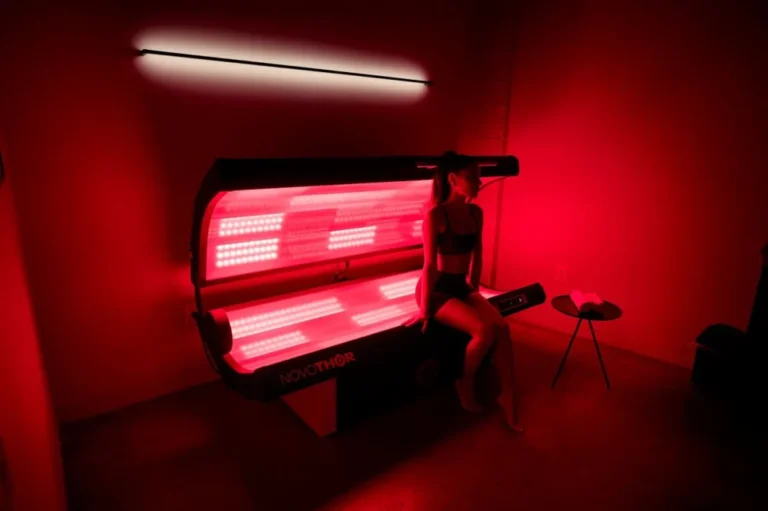
Red and near-infrared light has good evidence for reducing soreness and supporting tissue repair. A pod gives you that alongside contrast therapy and steam in one sitting, and if your Club also has a dedicated full-body light device, you can try out both.
About this series: This article is part of the City Fitness Revive recovery series and is for educational purposes only. It is not medical advice and does not create a clinician-patient relationship. Revive services are not intended to diagnose, treat, cure, or prevent any disease or medical condition. Talk with your doctor or another qualified clinician before starting or changing a recovery routine, especially if you are pregnant, have any health condition, or take any medication.
Recovery treatments are not right for everyone. Heat, extreme cold, compression, percussion, supplemental oxygen, and light therapy can be unsafe for people with certain conditions. These include heart disease or high, low, or unstable blood pressure; blood clots, a history of DVT, or circulation problems such as Raynaud’s; respiratory conditions; conditions that reduce your ability to sense heat, cold, or pain, such as neuropathy; sensitivity to light or heat, or a medication that causes it; a history of skin cancer or an active skin lesion; use of blood thinners or a bleeding disorder; and open wounds, skin infections, illness, or a recent injury or surgery. If any of these apply to you, get your doctor’s approval first. Do not use Revive services after drinking alcohol or while dehydrated. Stop any session right away if you feel pain, dizziness, numbness, tingling, or otherwise unwell. Always follow posted instructions and Team Member guidance, including the required protective gear and eye protection.
Research described in this series summarizes average findings from published studies. Individual experiences vary, and session lengths and frequencies are general guidelines, not personal recommendations.